

The New Era of Luxury
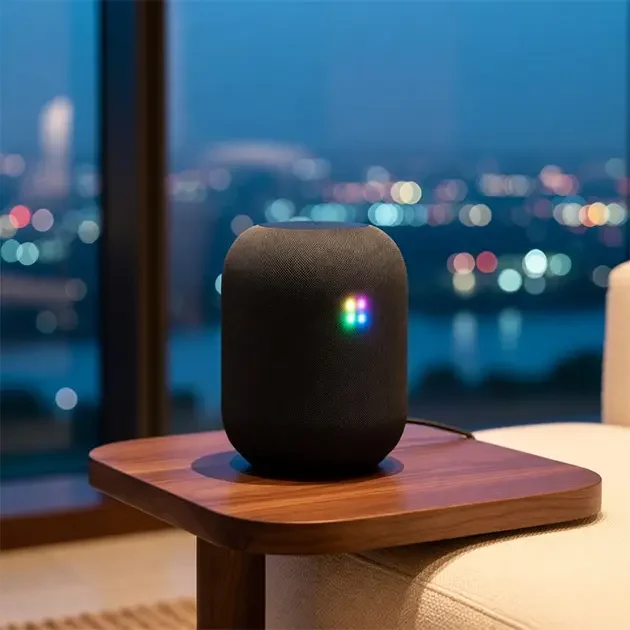
In the rapidly evolving landscape of Bangladeshi real estate, the definition of a premium home is undergoing a radical transformation. For decades, prestige was measured almost exclusively by location—coveted addresses in upscale neighborhoods—alongside the inclusion of imported building materials and expansive floor plans. Today, however, the paradigm has shifted, ushering in The New Era of Luxury.
High-end residences in Bangladesh increasingly reflect The New Era of Luxury by integrating connected systems as a fundamental component of design, moving away from passive living spaces toward dynamic environments driven by the Internet of Things (IoT).
This evolution in architectural design treats technology not as an afterthought or a superficial gadget, but as an invisible, foundational layer of the home. The modern estate in Dhaka is expected to anticipate the needs of its inhabitants, offering seamless control, robust security, and unparalleled energy efficiency to truly define The New Era of Luxury.
The Architecture of Light: Integrated Illumination
In contemporary architectural practice, light is treated with the same reverence as physical building materials. Integrated smart lighting systems have revolutionized how spaces are experienced after the sun goes down. Rather than relying on static switches, modern luxury homes utilize centralized, programmable lighting networks.
Architects and interior designers are leveraging these systems as dynamic design tools. Whether casting a warm, minimalist glow to complement the natural textures of a Japandi-style living area, or using precision track lighting to accentuate the bold, contrasting elements of a Modern Eclectic kitchen, integrated lighting allows a single space to serve multiple functions. Homeowners can transition an open-plan living area from a brightly lit family workspace to a softly illuminated, ambient entertainment zone with a single command or automated schedule. Furthermore, these systems frequently sync with automated window treatments, adjusting artificial light in real-time as natural sunlight shifts throughout the day, ensuring the home’s interior is always perfectly lit.
Invisible Fortresses: Next-Generation Security
For high-net-worth individuals, security is a non-negotiable priority, but the aesthetic execution of that security is equally important. The modern approach to smart home security in Bangladesh is characterized by discretion. Heavy, obtrusive security hardware is being replaced by sophisticated IoT ecosystems that blend invisibly into the architectural details.
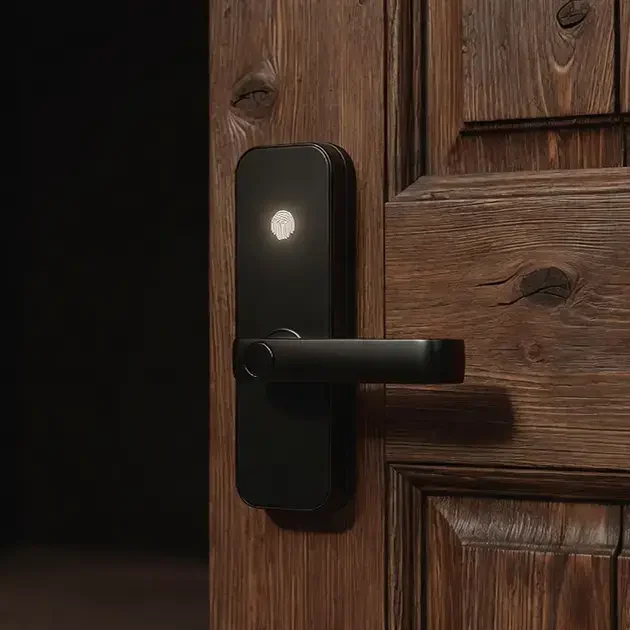
Entryways are now frequently outfitted with flush-mounted biometric scanners—utilizing fingerprint or facial recognition—woven directly into custom woodwork or metal detailing. High-definition, AI-powered surveillance cameras are designed to match the exterior cladding of the house, rendering them virtually unnoticeable. These systems do more than just record; they actively analyze. An integrated smart home can differentiate between a resident’s vehicle, a scheduled delivery, and an unrecognized presence, instantly alerting homeowners and private security teams while simultaneously activating exterior floodlights and locking all perimeter access points.
Mastering the Tropics: Intelligent Climate Control
Bangladesh’s tropical climate, characterized by intense heat and high humidity for much of the year, presents a unique challenge for large-scale residences. Traditional air conditioning systems are often inefficient, leading to uneven cooling and massive energy consumption. Smart climate control has emerged as a crucial solution, marrying ultimate comfort with sustainable energy practices.
Through the use of advanced IoT sensors distributed throughout the home, intelligent HVAC (Heating, Ventilation, and Air Conditioning) systems monitor the temperature, humidity, and occupancy of individual rooms. This allows for hyper-specific zoned cooling. A smart system learns the routines of the household—pre-cooling the master suite just before bedtime, while reducing energy output in unoccupied guest wings or formal dining rooms. When integrated with the home’s weather stations and automated shading systems, the house can proactively lower motorized exterior blinds on west-facing windows during the peak afternoon sun, naturally reducing the interior temperature before the air conditioning even needs to engage.
The New Baseline for Luxury
The integration of smart home automation in Bangladesh is no longer a futuristic concept; it is the current reality of high-end architectural design. As the market continues to mature, the demand for invisible, intelligent infrastructure will only grow. For property developers and homeowners alike, investing in a comprehensively connected home is not just about acquiring the latest technology—it is about achieving the ultimate luxury: a home that effortlessly cares for the people living inside it.
- Interior,Lifestyle
- February 26, 2026